
Seven Signs Your Shredder Blades Need Maintenance or Replacement
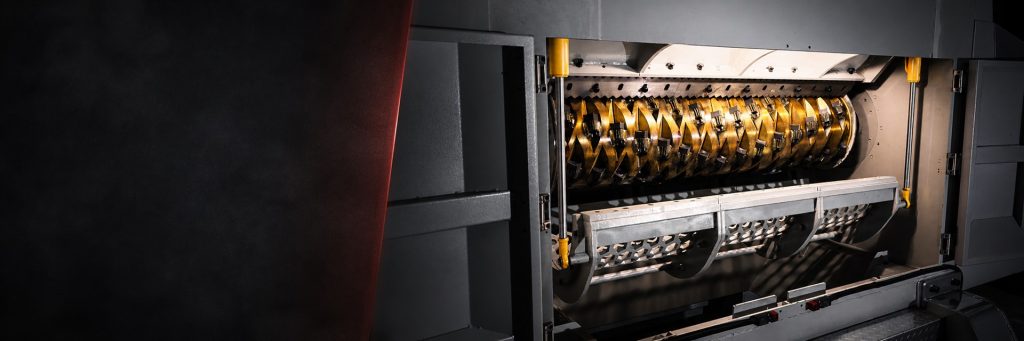
Shredder blade wear is gradual, so operators may adapt to declining performance without noticing the total loss in productivity. A regular inspection routine helps identify deterioration before it causes poor output, high energy consumption or damage to other cutting components.
1. Throughput is falling
If the machine requires more time to process the same feedstock, the cutting edges may have rounded or the cutting gap may have increased. Compare throughput using similar material and operating settings before drawing a conclusion.
2. Output size is becoming inconsistent
Worn knives, counter knives or screens can produce larger and less uniform pieces. Material may circulate in the chamber instead of being cut efficiently.
3. Motor load or energy use changes
Dull blades may require more force, but abnormal loading can also come from excessive feed, bearing problems, incorrect clearance or foreign material. Stop and inspect the system if the change is sudden.
4. Material wraps around the rotor
Film, fiber and flexible material may wrap more easily when the edge condition and cutting gap are no longer suitable. Geometry, counter-knife position and feed method should be checked together.
5. Vibration or unusual noise increases
Chipped blades, loose bolts, uneven wear or damaged holders can create imbalance and impact. Continuing to operate may enlarge the damage. Follow the machine manufacturer’s lockout and maintenance procedure before inspection.
6. Visible chipping, cracks or deformation appear
Small chips can grow and expose adjacent components to abnormal loads. Cracked or plastically deformed blades should not be returned to service without an engineering review.
7. The cutting gap is outside the target range
Blade wear, counter-knife wear, seat damage and incorrect installation can all change clearance. Measure the gap according to the machine manual and inspect contact surfaces before installing replacement blades.
Regrind or replace?
Regrinding may be possible when the blade has sufficient remaining material, no cracks and an approved regrinding limit. Replacement is generally appropriate when damage is deep, dimensions fall outside the permitted range, bolt holes or seats are affected, or previous regrinding has reached the limit.
Always maintain matched blade sets when the machine design requires consistent dimensions and balance.
Build a simple inspection record
- Operating hours or processed tonnage
- Feedstock type and contamination
- Throughput and output size
- Motor load or energy trend
- Edge condition photographs
- Blade and counter-knife measurements
- Date of rotation, regrinding or replacement
Frequently asked questions
Should all blades be changed at the same time?
It depends on the machine design and wear pattern. Mixed dimensions can affect clearance or balance, so follow the equipment specification.
Can a chipped blade be welded and reused?
Repair feasibility depends on steel grade, heat treatment, damage location and loading. It requires a qualified engineering review.
What should be sent for a replacement quotation?
Send the machine model, blade drawing or sample, quantity, material processed and clear photographs of the wear or damage.
Need replacement blades or a wear review? Send your blade information to WALI.